
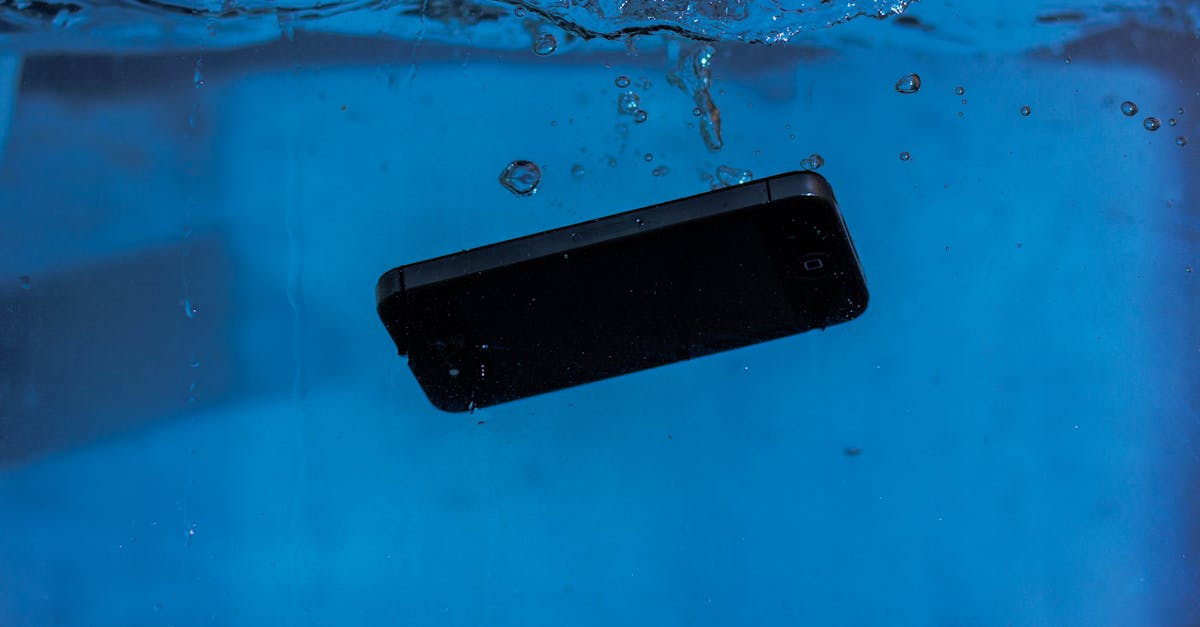
There’s nothing quite like the panic of hearing your iPhone say “liquid detected.” It’s as if your phone’s trying to warn you that it’s about to take a dive into a pool of trouble. But what does it really mean? Is it time to start drying your phone out like a soggy sandwich?
Table of Contents
ToggleUnderstanding the Liquid Detection Feature
Liquid detection is a crucial safety measure in iPhones designed to protect the device from moisture damage. Users often encounter the notification “liquid detected” when the phone senses moisture in its lightning port or other components.
What Is Liquid Detection?
Liquid detection refers to a built-in feature within iPhones that identifies the presence of moisture. This system primarily protects the device from liquid-related damage. When the iPhone detects liquid, it triggers alerts, which can prompt users to take appropriate action. Most commonly, this feature activates in smartphones after exposure to water or other liquids, safeguarding sensitive internal circuitry.
How Does It Work?
Liquid detection operates through sensors located in the device’s charging port. These sensors gauge the moisture levels and respond immediately when they detect liquid. The feature effectively shuts down charging capabilities to minimize potential damage. Users notice alerts on the screen, indicating the presence of liquid and suggesting they refrain from using the charging port until the area is dry. This smart technology simplifies user experience while prioritizing device integrity.
Common Causes of the Issue
Multiple factors can trigger the “liquid detected” message on iPhones. Identifying these causes can help users address the situation appropriately.
Exposure to Moisture
Exposure to moisture stands as a primary reason for the alert. A user might inadvertently spill water, sweat, or even expose the phone to high humidity. Connecting the device to a charger in these conditions often leads to warnings. When the iPhone detects moisture in the charging port, it sends notifications to prevent further damage. Regular cleaning can reduce moisture buildup, so users should keep their devices in dry environments whenever possible.
Faulty Sensors
Faulty sensors can also cause the liquid detection warning. Sometimes, debris or dust can obstruct the sensor, leading it to mistakenly indicate the presence of moisture. Users may experience this issue even after ensuring their device stays dry. Malfunctioning sensors might require professional diagnostics or servicing to resolve. Performing a hard reset can sometimes clear erroneous warnings, though persistent alerts indicate a need for attention and potential repairs.
Troubleshooting Steps
When an iPhone shows the “liquid detected” warning, effective troubleshooting can resolve the issue. Users can follow these steps to mitigate the situation.
Restarting Your iPhone
Restarting an iPhone often corrects minor software glitches. To do this, press and hold the side button and either volume button until the slider appears. Then, slide to power off. After a brief wait, hold the side button again until the Apple logo appears. This simple step may reset the sensor alert and restore normal function.
Drying Out the Device
Drying out the iPhone should take priority after a liquid detection alert. Placing the device in a dry environment allows it to air out effectively. Users can use a soft, lint-free cloth to gently wipe the charging port and any visible moisture. It’s crucial to avoid using heat sources such as hair dryers, as they may cause damage. Leaving the device in a bowl of uncooked rice or silica gel packets for 24-48 hours can aid in moisture absorption.
Checking for Updates
Keeping the iPhone software up-to-date is vital for overall performance. Users can navigate to Settings, tap General, and then select Software Update to check for any pending updates. Installing the latest version not only enhances security but also may improve the performance of the device, including its moisture detection capabilities. Ensuring the software remains current can help prevent future issues.
Preventive Measures
Implementing effective preventive measures can reduce the likelihood of encountering the “liquid detected” message on an iPhone. Users often find that these precautions help protect their devices.
Using Water-Resistant Cases
Choosing a water-resistant case adds an extra layer of protection against moisture. Many options provide IP67 or higher ratings, which indicates reliable resistance to water. Investing in a quality case safeguards the device during water-related activities. Users engaging in sports or outdoor adventures benefit greatly from this added security. Cases also minimize the accumulation of moisture in the charging port, further decreasing the chances of triggering alerts.
Keeping Your iPhone Dry
Maintaining a dry environment for the iPhone is crucial for preventing moisture issues. Users should avoid exposing the device to humid conditions, such as bathrooms or saunas. Storing the iPhone in a cool, dry place when not in use can also help. Regularly cleaning the device with a soft cloth ensures moisture doesn’t accumulate on surfaces or ports. Users engaged in outdoor activities should be cautious, ensuring their hands are dry when handling their devices. Taking these simple steps significantly reduces the risk of receiving moisture alerts.
The “liquid detected” notification on an iPhone serves as an important reminder for users to be vigilant about moisture exposure. By understanding the causes and responses to this alert, users can better protect their devices from potential damage. Implementing preventive measures such as using water-resistant cases and maintaining a dry environment can significantly reduce the chances of encountering this issue. Regular maintenance and prompt action when the warning appears will ensure the longevity and functionality of the iPhone. Staying informed and proactive is key to enjoying a seamless user experience without the worry of moisture-related problems.


