
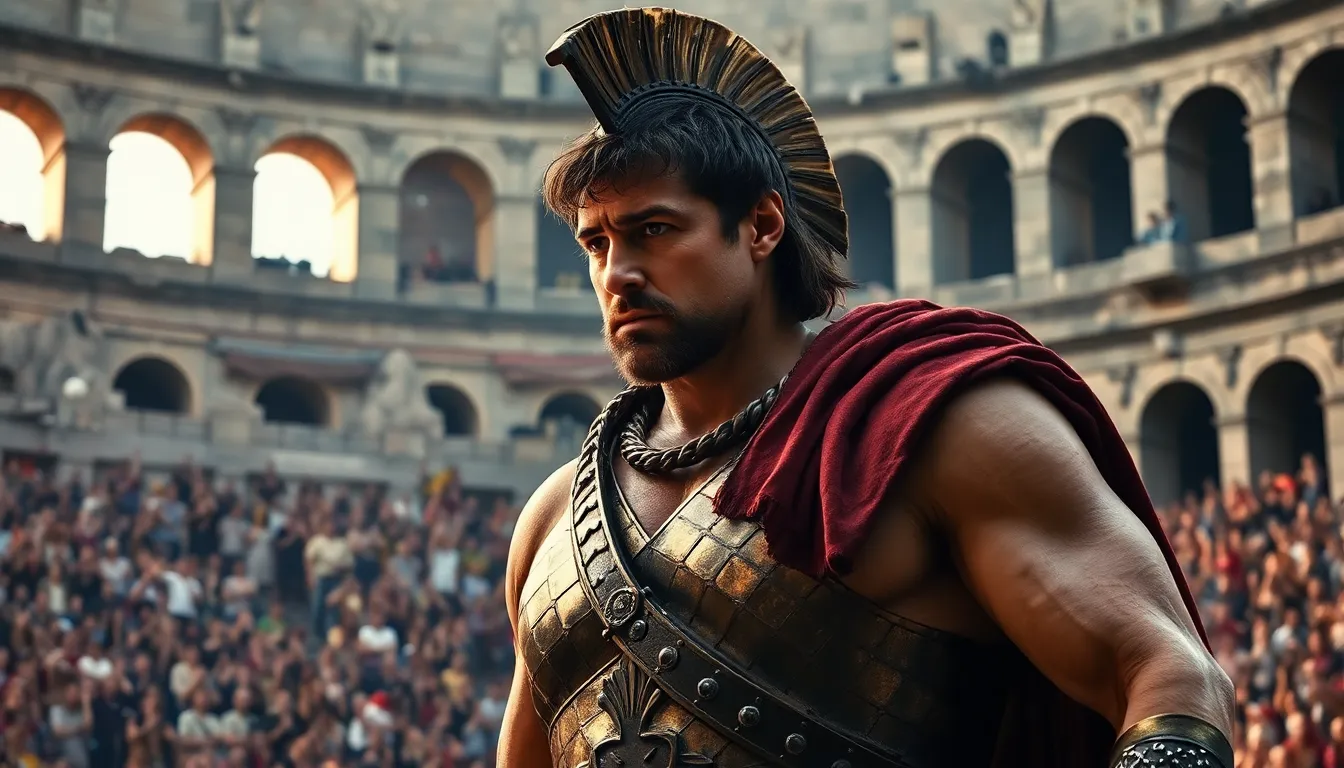
In the epic world of Gladiator, where swords clash and honor reigns, one question has sparked countless debates: does Maximus die? Fans of this iconic film have pondered the fate of the beloved general turned gladiator, and it’s a topic that never seems to lose steam. After all, who wouldn’t want to know if Russell Crowe’s character meets his end in a dramatic flourish or rides off into the sunset?
Overview of Gladiator
“Gladiator,” directed by Ridley Scott, debuted in 2000 and quickly gained acclaim for its gripping narrative and impressive visuals. The film, set in ancient Rome, follows Maximus Decimus Meridius, portrayed by Russell Crowe, who seeks vengeance after the murder of his family and the betrayal he suffers from Emperor Commodus. Maximus, a skilled general, embodies honor and loyalty, making his journey both compelling and tragic.
Themes of revenge, honor, and the quest for justice run throughout the film. The struggle between good and evil is depicted through Maximus’ fight against the corrupt ruling class. Spectacular battle sequences showcase both the brutality and glory of gladiatorial combat, bringing the historical context to life.
Award-winning performances, particularly by Joaquin Phoenix as Commodus, enrich the narrative. Commodus, driven by jealousy and a desire for power, serves as a stark contrast to Maximus. This dynamic adds depth to their conflict and emphasizes the moral dilemmas faced by Maximus.
Critical accolades for “Gladiator” include five Academy Awards, highlighting its artistry, direction, and performances. The film’s success at the box office and its influence on the historical epic genre cannot be understated. It inspired a renewed interest in Roman history and storytelling techniques, merging action with emotional depth.
“Gladiator” continues to resonate with audiences due to its powerful themes and memorable characters. The exploration of Maximus’ fate remains a topic of discussion, showcasing the film’s lasting impact on popular culture. Through its artistic storytelling, the film captures both the grandeur and brutality of the era, leaving a lasting impression.
Character Analysis of Maximus
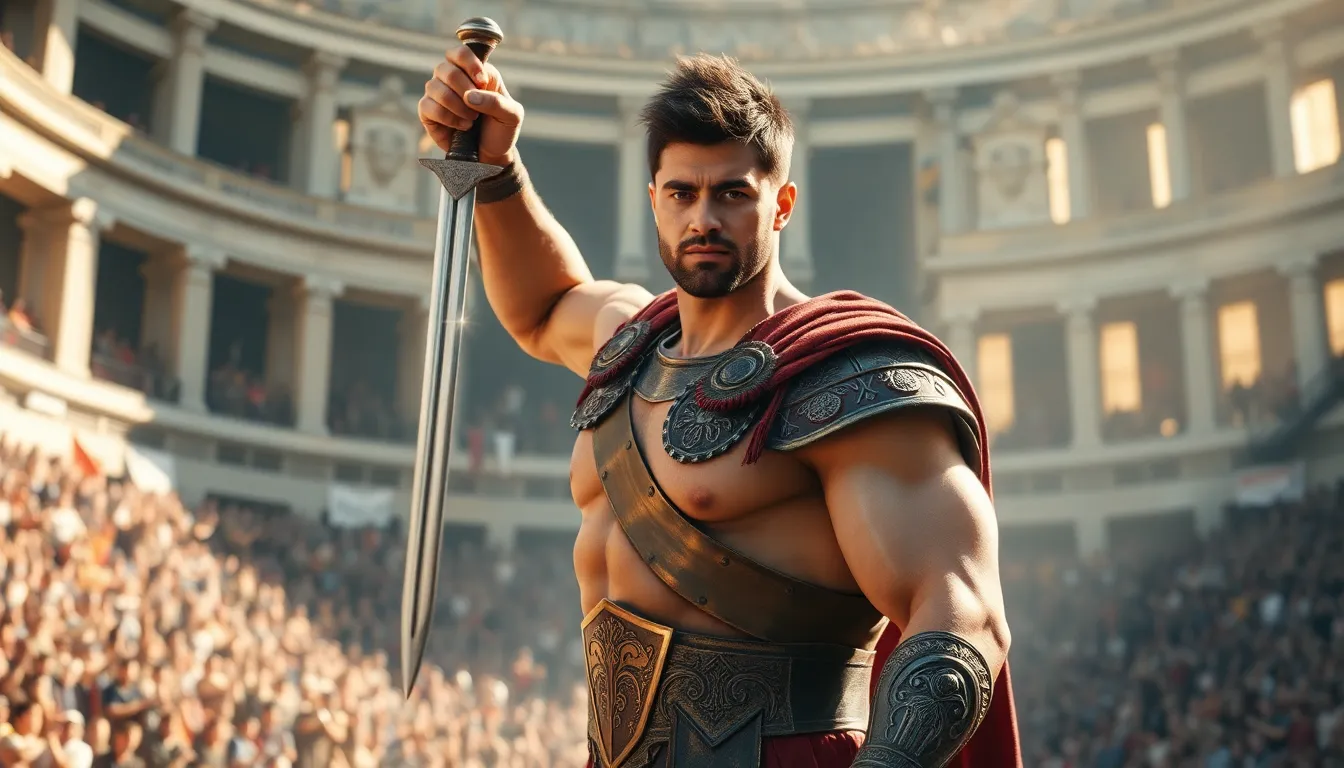
Maximus stands as one of cinema’s most complex characters. His journey unfolds against the backdrop of betrayal and loss, making him relatable and compelling.
Maximus as a Hero
Maximus embodies the archetype of a reluctant hero. He rises from general to gladiator, driven by duty and a strong moral compass. Confrontation with the corrupt Emperor Commodus solidifies his role as a champion of justice. His bravery inspires others, as seen in the arena when he leads his fellow gladiators in battle. Audiences resonate with his unwavering commitment to honor and vengeance, making his character’s struggles profoundly impactful. Moments of sacrifice further enhance his heroism, illustrating the lengths he’ll go to protect his loved ones and restore order.
Maximus’ Motivations
Maximus’ motivations stem from deeply personal losses. The brutal murder of his family ignites an intense desire for revenge against Commodus. This quest for vengeance fuels his actions throughout the film, driving him to fight against tyranny. Emotions of grief and anger intertwine, pushing him toward eventual redemption. Loyalty plays a significant role; what motivates him extends beyond personal vendetta. He yearns to restore Rome’s former glory and embodies the hope of the oppressed. The clash between his personal ambitions and broader responsibilities shapes his character arc, providing depth to his motivations.
Plot Summary Leading to the Climax
The story unfolds in ancient Rome, highlighting Maximus Decimus Meridius, played by Russell Crowe, who aims for revenge. Following the brutal murder of his wife and son, Maximus finds himself betrayed by Emperor Commodus, portrayed by Joaquin Phoenix. Betrayal and anger fuel his transformation from a powerful general to a gladiator seeking justice.
As Maximus fights for his life in the Colosseum, he draws on his military training and strategic prowess. Each battle showcases not just physical strength but also his unwavering resolve. Despite the overwhelming odds, Maximus inspires fellow gladiators with his honor and courage, igniting a sense of rebellion against the corrupt regime.
Commodus, motivated by jealousy and fear of losing power, becomes increasingly obsessed with defeating Maximus. He orchestrates events to ensure their confrontation, revealing his vulnerability amidst his sinister authority. This rivalry intensifies, propelling the plot towards a tragic climax filled with emotional stakes.
Public sentiment shifts as Maximus gains popularity among the Roman citizens. The populace sees him as a symbol of hope, contrasting sharply with Commodus’ tyranny. As tension mounts, Maximus’ path to vengeance intertwines with his quest to restore Rome’s honor.
The narrative crescendos with their final showdown. In this duel, Maximus confronts not only Commodus but also the ghosts of his past. Resolved, he faces the emperor amid the metal and dust of the arena, each strike echoing his deep-seated desire for justice. The fate of both men hangs in the balance, setting the stage for a moment that captivates audiences even today.
Theories Surrounding Maximus’ Fate
The fate of Maximus remains a hot topic among “Gladiator” fans. Various theories examine the evidence both for and against his death.
Evidence Supporting His Death
Maximus’ final moments suggest he succumbs to his injuries. After defeating Commodus, he collapses, a scene filled with emotional weight. Blood loss accumulates, indicating his body deteriorates rapidly. The expressions on his face reveal both pain and relief. Additionally, he envisions reuniting with his family, hinting at his acceptance of death. This farewell to life underscores the film’s central themes of sacrifice and honor. Critics argue the symbolism of his death strengthens the narrative arc. Based on this evidence, many viewers conclude he dies, providing closure to his tumultuous journey.
Evidence Against His Death
Conversely, different perspectives argue Maximus survives. The film’s focus on his strong will and resilience suggests survival could be plausible. Some believe his vision of his family signifies hope rather than death. Interpretations of the Colosseum scene support this, with his resolve inspiring the crowd. The phrase “What we do in life echoes in eternity” reinforces the idea that his spirit lives on. Furthermore, an ambiguous ending leaves room for speculation and debate. Many fans cherish the idea that Maximus becomes a legendary figure, transcending mortality. This argument maintains the film’s emphasis on legacy and the impact of one’s actions.
Symbolism of Maximus’ Death
Maximus’ death serves as a poignant culmination of his journey, embodying the ultimate sacrifice for honor and justice. The powerful visual imagery throughout the film highlights Maximus’ transformation, reinforcing themes of loyalty over personal gain. Acceptance of death appears evident in his final moments, where he envisions reuniting with his family, which represents hope and peace after a life filled with turmoil.
His confrontation with Commodus acts as a vehicle for the audience to explore deeper themes of corruption and tyranny. This struggle brings forth the notion that true victory comes at a cost, presenting a stark contrast to the idea of glory in battle. Maximus transforms from general to gladiator, symbolizing the metamorphosis of a noble spirit crushed by betrayal.
Moments leading to his demise reflect on the inherent struggles of humanity while showcasing resilience in adversity. Public sentiment toward Maximus shifts dramatically, symbolizing the fragile nature of power and justice when faced with moral decay. The climactic duel not only highlights personal vengeance but also emphasizes Maximus’ larger role as a beacon of hope for the oppressed Roman citizens.
Death represents both an end and a beginning. He embodies the idea that while one might perish physically, their legacy can inspire generations. The ambiguous nature of his fate leaves viewers pondering the lasting impact of Maximus as a symbol of resistance. Through this lens, the film explores the significance of sacrifice and how these moments define character beyond mere survival.
The fate of Maximus in “Gladiator” continues to spark passionate debates among fans. Whether he dies after his epic duel with Commodus or survives remains open to interpretation. This ambiguity adds depth to the narrative and reinforces the film’s themes of sacrifice and legacy.
Maximus embodies the struggle against tyranny and serves as a symbol of hope for the oppressed. His journey from general to gladiator resonates with audiences, prompting them to reflect on the nature of honor and justice. The lasting impact of his character ensures that discussions about his fate will persist, keeping the spirit of “Gladiator” alive in popular culture.


